

Can Trophy Custom Homes build or remodel a home in Middleburg?
Yes. Trophy Custom Homes designs, builds, and remodels luxury homes in and around Middleburg, Virginia — from in-town properties to estate parcels in the surrounding hunt country. With more than 40 years of regional experience and more than 350 completed homes across Northern Virginia, Maryland, and Washington, DC, Trophy helps clients evaluate land, existing homes, and renovations before they commit — reviewing site conditions, town and county requirements, and budget alignment. Request a free Project Feasibility Assessment or call 301-315-8038.
$1.5M – $4M+
Typical Price Range
5 – 20+ acres
Lot Sizes
~60 min via Route 50
Drive to DC
Loudoun County Public Schools
School District
The Area
Building in Middleburg
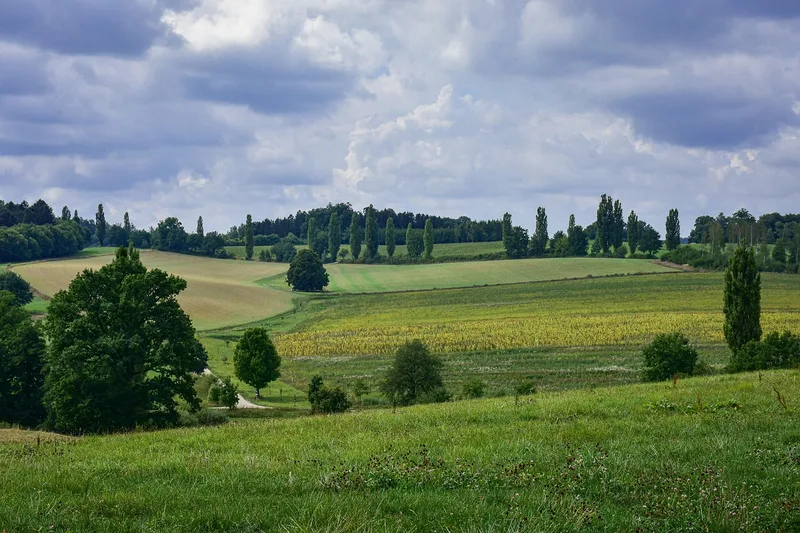
Middleburg is the center of Virginia's hunt country — a small, walkable town of stone and clapboard storefronts set among the rolling Piedmont farmland of western Loudoun County. Its identity is built on horses, land stewardship, and a quiet kind of permanence: the scale is intimate, the pace is unhurried, and the surrounding countryside has been deliberately preserved for generations. People who build here are usually buying into that landscape and way of life, not chasing a commute. That shapes everything from the kind of homes that fit to the way land changes hands.
There are really two Middleburgs to understand before you build. Inside the town limits, you find historic and infill lots governed by the Town of Middleburg's own zoning, where a portion of the community lies within a designated historic district. Outside town, the address opens onto large estate parcels under Loudoun County's agricultural-rural zoning — the regulatory backbone that keeps hunt country open. Between them sit older homes and farmsteads that make thoughtful renovation, addition, or rebuild candidates. The rules, the utilities, and the review process differ sharply depending on which side of the town line your property sits.
Access here is about roads and distance rather than transit. Route 50 — a Virginia scenic byway through much of this corridor — connects Middleburg east toward Aldie, the Dulles area, and the wider region, while Route 15 and the county's rural road network thread the surrounding estates. Landmarks like the National Sporting Library & Museum and the nearby Salamander resort anchor the town's cultural life. The further a property sits from town, the more its wells, septic systems, driveways, and site conditions — rather than its zip code — determine what a custom home will actually take to build.
Building an in-town Middleburg home is a different exercise than developing a country estate. On an in-town lot, the questions are about fit and review: the buildable envelope, town zoning, and — for properties in the historic district — design review before exterior work. On an estate parcel, the questions shift to site development and stewardship: well yield and water quality, septic feasibility and the perc test that sizes the home, long private drives, barns and outbuildings, and any recorded conservation easement that can limit where and what you build. Trophy helps clients work through both situations before design begins.
Experience That Compounds
Why Middleburg Families Choose Trophy
Trophy does not claim to know every lot or every regulation in Middleburg — no builder honestly can. What Trophy brings is a disciplined process for identifying which requirements apply to your property and assembling the right professionals to answer the questions that matter, before you spend serious money.
More than 40 years of regional experience
Trophy has designed, built, and remodeled homes across Northern Virginia, Maryland, and Washington, DC for over four decades — through changing codes, market cycles, and construction practices. That history shows up in realistic guidance rather than optimistic guesses.
More than 350 completed homes
Every completed project sharpens the picture of what site development, permitting, and construction actually cost and how long they actually take — knowledge that directly informs the feasibility guidance Trophy gives Middleburg clients, especially on estate parcels where site work and access drive the budget.
Multi-jurisdiction fluency
Trophy is licensed in Virginia, Maryland, and Washington, DC, and works regularly with town and county land development processes. Knowing when the Town of Middleburg governs a project and when Loudoun County does — and how historic review fits in — helps you sequence decisions in the right order.
Custom, design-build, build-on-your-lot, and remodeling under one roof
Whether the right answer for your property is a new custom estate home, a sensitive in-town rebuild, or a major renovation and addition, Trophy can carry the project from early feasibility through design and construction — and give you an honest comparison between paths.
Early feasibility and budget alignment
Trophy's process starts with the question most projects skip: does the vision fit the property, the rules, and the budget? Aligning scope and investment range early prevents the most expensive kind of surprise — the one discovered after plans are drawn.
A coordinated professional team
Custom projects in Middleburg routinely involve architects, civil and structural engineers, surveyors, soil scientists for well and septic work, interior designers, and real estate professionals. Trophy coordinates these specialists so their work arrives in the right order and answers the right questions.
Where Are You Starting From?
Three Ways to Begin in Middleburg
I Already Own a Lot
You control the land — now the question is what it will support. Trophy can help you review:
- Survey, property boundaries, and easements
- Zoning district and buildable envelope
- Setbacks and lot coverage
- Topography, drainage, and stormwater
- Utility availability and connection points
- Access and construction logistics
- Tree preservation requirements
- Preliminary home size and placement
- Budget and schedule alignment
I'm Looking for Land or a Teardown
Before you go under contract, know what you are actually buying. Working with you and your real estate professional, Trophy can help evaluate:
- Vacant land and infill lots
- Older homes with redevelopment potential
- Demolition considerations and approvals
- Neighborhood fit and compatibility
- Probable site-development costs
- Utility connections and upgrades
- Preliminary buildable area
- Purchase contingencies and due-diligence needs
I Want to Remodel or Add On
Sometimes the best property in Middleburg is the one you already own. Trophy can help you review:
- Existing structural conditions
- Addition possibilities and whole-home renovation
- Kitchen and primary-suite expansion
- First-floor living and aging-in-place improvements
- Existing nonconforming conditions
- HOA or architectural review restrictions
- Whether renovating or rebuilding is the better investment
Current Opportunities
Available Lots & Opportunities in Middleburg
Land and estate availability around Middleburg changes quietly, and the best opportunities — from in-town lots to large hunt-country parcels — often trade privately before they are widely marketed.
Trophy Custom Homes can help you and your real estate advisor evaluate available land, in-town properties, and potential estate or teardown opportunities in Middleburg. Property availability changes frequently, so contact us for current opportunities.
Get Notified First
Join the list to hear about new lots, teardown opportunities, and spec homes in Middleburg before they're widely marketed.
Do Your Homework
What to Know Before Building in Middleburg
Every Middleburg property is different, and none of the topics below should be treated as a property-specific answer. They are the recurring themes Trophy sees in Middleburg projects — and the items worth investigating before you buy a property or finish architectural plans.
Town versus county jurisdiction
Property inside the Town of Middleburg is governed by the town's own zoning and processes, while estate parcels outside the town limits fall under Loudoun County. The town line is the dividing question.
Which government governs your parcel determines the zoning rules, the review steps, and who issues approvals — and it can change the timeline and design constraints significantly. An in-town lot and a nearby county parcel play by different rules.
How to verify: Confirm whether your parcel sits inside the town limits or in the county, and identify the applicable review process, before you assume anything about what you can build.
Historic district review
A portion of Middleburg lies within a designated historic district, where the town's Historic District Review Committee acts on Certificates of Appropriateness for changes to properties.
If your property is in the district, exterior work — new construction, additions, and many visible changes — may require design review, which shapes materials, massing, and details and adds a review step to the schedule.
How to verify: Determine whether your property is within the Middleburg Historic District, and if so, discuss the Certificate of Appropriateness process with the town early in design.
Agricultural-rural zoning outside town
Estate parcels beyond the town limits fall under Loudoun County's agricultural-rural districts (AR-1 and AR-2, Section 2.04), which set very low base densities and limited subdivision options to preserve hunt country.
This zoning determines whether land can be divided, how a home and accessory buildings must sit, and what agricultural or equestrian uses are allowed — often keeping large parcels whole. It shapes what a property is realistically suited for.
How to verify: Confirm the parcel's county zoning district and its standards through Loudoun County's zoning resources before completing design work or assuming any subdivision potential.
Conservation easements
Recorded conservation easements are common on hunt-country land and can permanently limit where structures may be placed, how many dwellings are allowed, and what can be built or subdivided.
An easement can be invisible from the road yet decisive for your project — it may restrict the building site, additional structures, or expansion. Buyers sometimes discover these limits only after purchase.
How to verify: Before buying any estate parcel, have your title company and attorney identify and review any recorded conservation easement, and confirm what it permits — do not assume a parcel is unencumbered.
Well yield, water quality, and septic feasibility
Estate homes around Middleburg typically rely on a private well for water and an on-site septic system for wastewater, both of which depend on the specific soils and geology of the parcel.
A soil evaluation (perc test) determines whether — and where — a septic system can go, and often caps the home's bedroom count. Well depth, yield, and any treatment needs affect daily livability, cost, and where the house can sit.
How to verify: For any estate parcel, make well and septic due diligence — including soil evaluation and review of any existing system records — a condition of purchase before you close.
Setbacks, easements, and the buildable envelope
Setbacks define how far a home must sit from property lines; combined with easements, height, and coverage limits, they create the buildable envelope — the area where a home can actually go.
On estate parcels, the usable envelope is often shaped less by setbacks than by where the septic field, well, driveway, and any easement or environmental buffer must go. On in-town lots, the historic and town rules add their own limits.
How to verify: Have a current boundary survey prepared, confirm setbacks for the applicable district, and identify recorded easements before finalizing where the home will sit.
Barns, outbuildings, and equestrian facilities
Many Middleburg-area properties include or contemplate barns, stables, run-in sheds, riding rings, and other accessory structures tied to the area's equestrian character.
Accessory structures carry their own zoning, setback, and sometimes review requirements, and they compete with the house for the best-drained, best-sited ground — coordinating them with the home and septic field matters.
How to verify: Confirm the rules for accessory and agricultural structures on your parcel, and plan their locations alongside the home, well, and septic system rather than after the fact.
Topography, drainage, and stormwater
The rolling Piedmont terrain around Middleburg is much of its appeal, but grade, drainage patterns, and stormwater requirements determine how a home, drive, and outbuildings can sit on the land.
Slope and drainage can add retaining walls, foundation stepping, culverts, and stormwater structures to a budget — and the county requires managing runoff rather than pushing it onto neighboring land.
How to verify: Walk the property in different conditions, and expect grading and stormwater review; an early read from a civil engineer is inexpensive insurance on rolling sites.
Construction access and long private drives
Estate parcels are often reached by two-lane country roads and long private driveways, and construction requires getting equipment, deliveries, and utilities to a building site that may sit far from the road.
Driveway length and grade, culverts, turnarounds, and utility runs can add real cost, and staging on a remote site takes planning. On scenic-byway frontage, entrance placement may involve additional considerations.
How to verify: Have your builder assess construction access, driveway requirements, and utility routing early — before you assume a distant, beautiful building site is inexpensive to reach and serve.
HOA and recorded covenants
Some Middleburg-area properties carry homeowners associations or recorded covenants with design or use restrictions, while many rural parcels have none beyond county and easement rules.
Where covenants exist, they can shape design choices, materials, fencing, and outbuildings — layered on top of town or county rules and any easement — and can affect approval timing.
How to verify: Obtain and read the recorded covenants and any association guidelines for the specific property during due diligence; your title company and real estate professional can help retrieve them.
A Recommendation From Tom Byrne
“Middleburg rewards patience, and it punishes assumptions. I've watched buyers fall for a stretch of rolling land, close on it, and then learn a conservation easement limits where the house can go, or the soils won't carry the septic system the home needs. So my advice is the same one I give everywhere, only more so here: bring your builder in before you buy the property or finish the plans. A beautiful design still has to fit six things at once — the property, the town or county rules, the neighborhood, the way your family lives, the budget, and the schedule. Out here that means walking the land, reading the easements, and testing the soils early. Let us do that with you. It costs you nothing and can save you a great deal of money and heartache.”
— Tom Byrne, Founder, Trophy Custom Homes
Free & No Obligation
Request Your Free Project Feasibility Assessment
Before buying land, purchasing a teardown property, completing architectural plans, or committing to a major renovation, meet with Tom Byrne and the Trophy Custom Homes team. The assessment gives you early clarity on whether your vision, property, priorities, and preliminary investment range appear aligned — before you spend heavily on design or close on the wrong property.
What Your Assessment Includes
Review of the lot, existing home, access, surroundings, and visible conditions that could influence the project.
Identification of town, county, zoning, historic, HOA, environmental, and other requirements that may need further investigation for your property.
Consideration of property configuration, topography, drainage, trees, utilities, easements, and probable site-development needs.
For remodeling prospects — structural changes, additions, layout improvements, and whether renovation or rebuilding deserves further study.
How you live, entertain, work, host family, and want the home to support the next stage of life — including aging-in-place planning.
A candid discussion of whether the desired scope and preliminary investment range appear reasonably aligned.
The surveys, engineering, architecture, due diligence, or professional evaluations that should come next — in the right order.
The Project Feasibility Assessment provides preliminary guidance based on information available at the time of the meeting. It is not a property inspection, appraisal, engineering report, architectural study, legal opinion, guaranteed construction estimate, or confirmation of governmental approval. Additional professional evaluations may be recommended.
The Building-on-Your-Lot Guide
Now AvailableTrophy's Building-on-Your-Lot Guide walks you through the questions that matter before you buy land or commit to a design:
- How to evaluate land and what to verify before buying
- Questions to ask any builder you interview
- Site-development costs buyers commonly underestimate
- Zoning, permitting, and utility considerations
- Budget planning and the design-build sequence
- Common mistakes to avoid
Read the full guide online or download the PDF — free. And for alerts about new lots, teardowns, and spec homes in the area, join the notification list below.
Questions We Hear Most
Building in Middleburg: Frequently Asked Questions
Explore More