
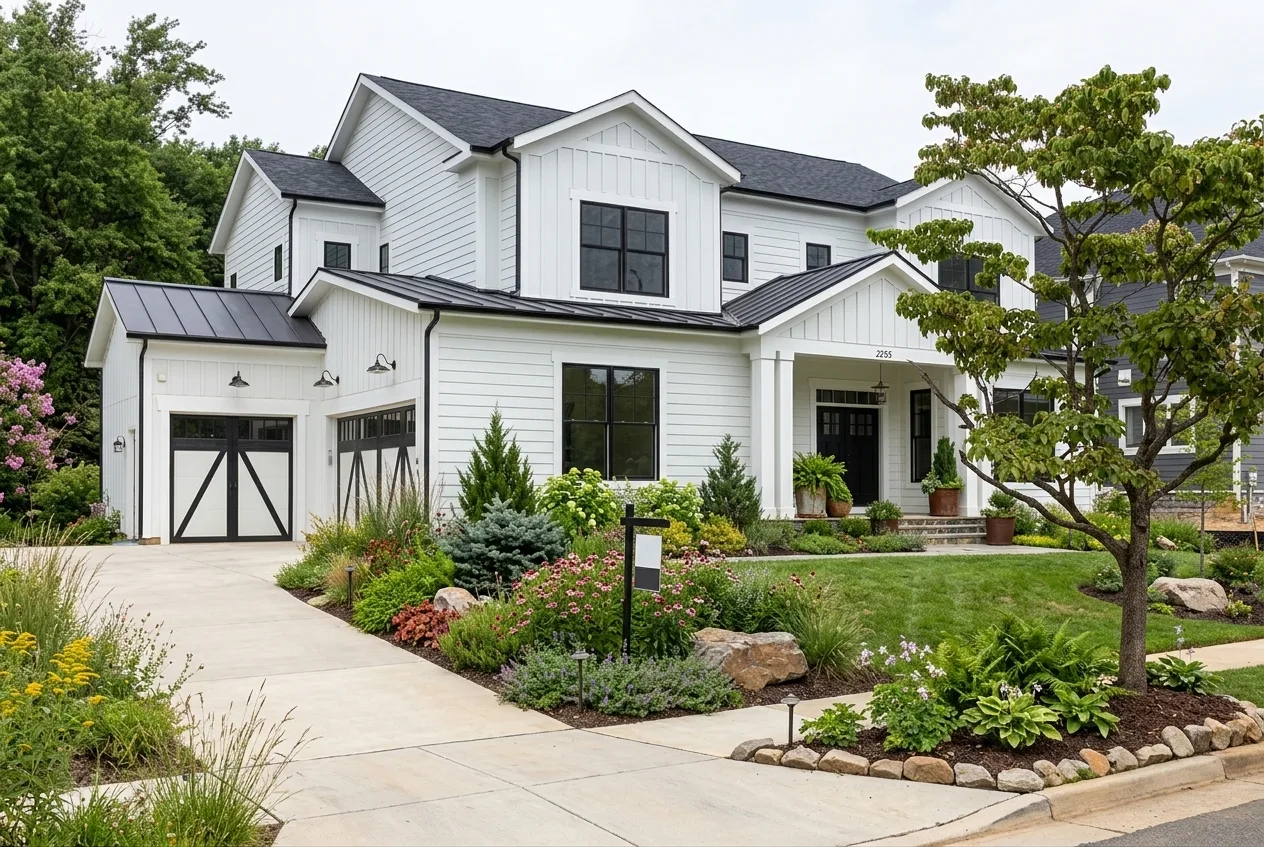
Choosing a custom home builder is not simply a matter of comparing beautiful finished homes. The right partner should be able to explain how your priorities become decisions, how your property shapes the work, and who will keep you informed when choices get complicated. In Northern Virginia, that conversation deserves more than a quick portfolio tour.
Bring the same eight questions to each introductory meeting. Listen for specific answers, examples of how the team works, and a willingness to say what still needs to be verified. A thoughtful interview helps you compare working relationships as well as design sensibilities.
Eight questions for your builder interviews
1. What kinds of homes and client relationships are the best fit for your team?
Ask where the builder does its strongest work: a particular design ambition, level of involvement, or type of property. Then describe how you want to participate. Do you enjoy making many detailed choices, or would you prefer a structured set of recommendations? A good answer should clarify who leads design, who coordinates construction, and how the team handles decisions when client preferences evolve. Fit is about how you will work together for months, not just whether you like a photograph.
2. How would you evaluate our property before we commit to a plan?
Even if you already own land, avoid treating the lot as a blank canvas. Ask what information the builder needs about access, grade, utilities, existing structures, trees, and the intended footprint. If you are still looking, ask how early the builder can help assess a candidate parcel. Parcel and jurisdiction requirements vary; qualified professionals should verify constraints before anyone treats a concept as buildable. Our build-on-your-lot guide offers a useful starting point for framing that conversation.
3. What is included in your role, and who else will be at the table?
Clarify the relationship among the builder, architect, interior designer, engineers, and other specialists. Does the builder assemble the team, collaborate with professionals you bring, or join after plans are developed? Ask who is responsible for coordinating their input and resolving conflicts between drawings, selections, and site realities. The goal is not one universal team structure; it is an understandable handoff with clear accountability.
4. How do you turn our priorities into a defined scope?
Share the spaces and experiences that matter most: perhaps a kitchen built for gathering, quieter work areas, or an easier connection to the outdoors. Ask how the team records priorities, distinguishes essentials from options, and identifies decisions that affect scope. Request an example of how they document assumptions and exclusions. This gives you a more useful basis for comparing proposals than a headline number or an appealing rendering alone.
5. How do you explain costs and changes as decisions develop?
A serious conversation about investment should distinguish what is known, what is estimated, and what has not yet been selected. Ask when a preliminary range becomes a more detailed proposal, what allowances mean in that proposal, and how a proposed change is priced and approved. Also ask how site discoveries or design revisions are communicated before work moves forward. For broader geographic context, see our Northern Virginia, DC, and Maryland cost comparison; your own property's scope still needs individual evaluation.
6. Who will communicate with us, and what will updates look like?
Find out who your day-to-day contact is during design and during construction. Ask how often you will receive updates, what information they include, and how questions or decisions are tracked. If several people are involved, ask who can answer which kinds of questions. A useful response describes a repeatable communication rhythm rather than promising that you will never encounter a surprise. You should know how the team raises a concern while there is still time to act on it.
7. Can you walk us through a relevant project, including a difficult decision?
A finished photograph shows the outcome, but it does not explain the work behind it. Ask the builder to describe a project with a similar site condition, design goal, or level of customization. What trade-off emerged? Who presented the options? How was the decision recorded? A candid example reveals more about judgment than an uninterrupted success story. You can use a builder's portfolio to identify the projects you want to discuss in depth.
8. What should happen before we decide to work together?
Ask what the builder needs from you to evaluate fit responsibly, what the next planning conversation covers, and which deliverables or decisions belong to each stage. Clarify whether a proposal depends on site review, design work, or input from other professionals. A confident builder can describe the next step without suggesting that every unknown has already been solved. Notice whether you leave with a shared understanding of the open questions.
Compare the answers, not just the presentation
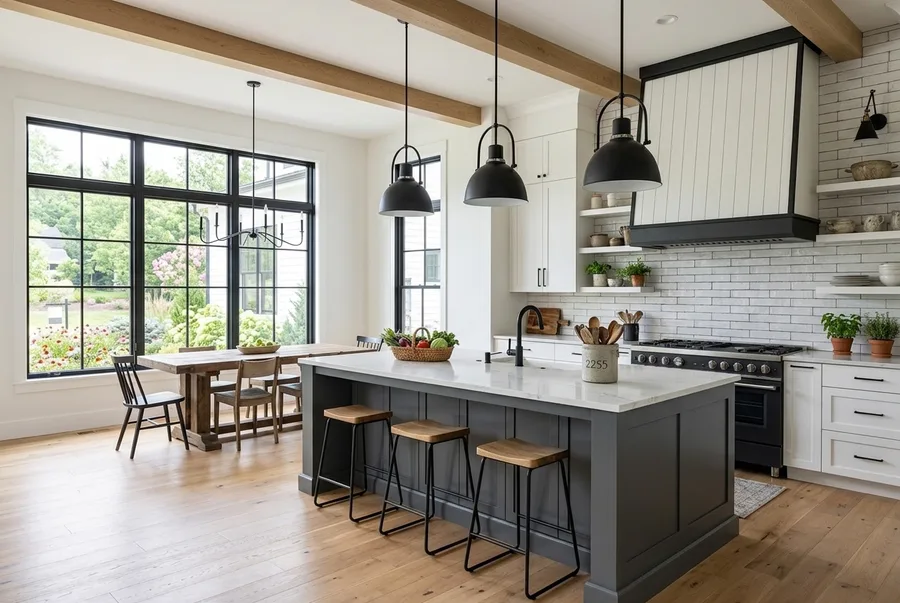
After each meeting, capture the details while they are fresh. The strongest fit is usually the team that can explain its approach clearly and make space for your questions—not simply the team with the most polished images.
| Compare | What to note |
|---|---|
| Fit | Does their experience match your goals and preferred level of involvement? |
| Clarity | Are roles, assumptions, and open questions explicit? |
| Communication | Do you know who will update you and how decisions are recorded? |
Trophy Custom Homes serves clients in Northern Virginia, DC, and Maryland. If you are weighing a property or interviewing potential partners, contact our team to talk through your custom home goals.