
When you are building a custom home, there is no shortage of decisions to make. You may be choosing cabinetry, reviewing plans, selecting finishes, or simply trying to understand what happens next. Sometimes, the question is not complicated at all. You just need an answer.
That is why builder responsiveness matters. For homeowners making a significant investment, it is about more than returning a phone call. It is about knowing who to contact, feeling comfortable raising a concern, and receiving the information you need to make a decision.
A Great Falls Client’s Experience: Clarity and Communication
A client in Great Falls, Virginia, described the value of working with Trophy in practical terms: an easy-to-follow process and responsive communication when questions or concerns arose.
“Trophy Custom Homes has a clear, easy-to-follow process, with responsive communication about questions and concerns. Trophy demonstrated why the five-star client experience promise, and the team, process, and execution sets Trophy apart from other builders.”
Client feedback supplied to Trophy. “Five-star” refers to the client experience promise, not an independently verified review-platform rating.
The feedback highlights three connected parts of the experience: knowing how the process works, being able to ask questions, and seeing the team follow through. The client’s emphasis is not simply on the finished home—it is also on how the team communicated along the way.
This client perspective is a useful way to evaluate a custom home builder in Great Falls or elsewhere in Northern Virginia: can you understand the process, and can you get meaningful guidance while you are in it? Every project differs, but those questions matter at every scale.
You Should Not Have to Chase Your Builder for Answers
A question sits unanswered. A decision needs to be made, but you are not sure who to ask. Something changes, and you are left wondering what it means for your home.
The issue is not simply inconvenience. When communication slows down, uncertainty grows. A homeowner may hesitate to approve a selection because its cost or maintenance requirements are unclear. A concern that could have been addressed early can become more complicated when it is allowed to sit.
Responsive communication helps move decisions forward. A useful answer explains what is known, what still needs investigation, who is responsible for the next step, and when you should expect an update.
“Responsiveness means being accessible, not just available.”
That distinction is central to the article’s message. Providing a phone number is only the beginning. Homeowners should also understand when to contact their project manager, how concerns are escalated, and how decisions are recorded.
Your Questions Are Part of the Process
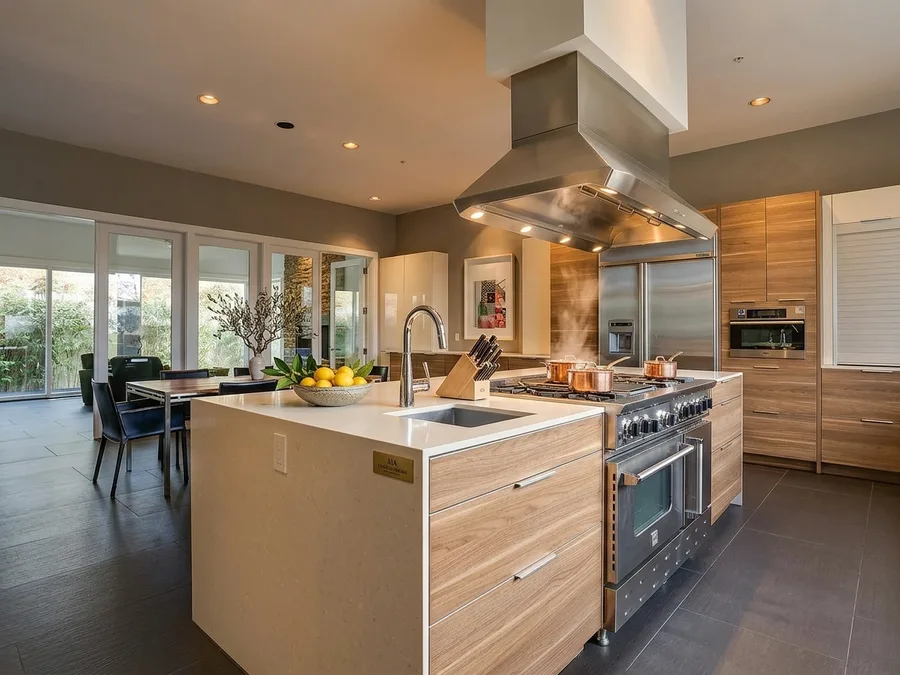
Some homeowners worry that asking questions will make them seem difficult. In reality, thoughtful questions can reveal important information before a decision becomes expensive to change.
- Why was this material recommended, and what are the alternatives?
- How does this selection affect the budget?
- When does this decision need to be finalized?
- How will this layout work as our needs change?
- What happens next, and what do you need from us?
For empty nesters planning a home in Montgomery County or Northern Virginia, those discussions may include main-level living, low-maintenance materials, and aging-in-place features. The goal is not to make every possible selection. It is to understand the choices that support the way you want to live.
Our Lifestyle Readiness Checklist can help you identify priorities before a design conversation.
How Responsiveness Fits Into Trophy’s Six-Step Process
The Great Falls client’s reference to a clear process has a practical connection to Trophy’s published six-step building process. Each stage creates a different opportunity to listen, explain, and document decisions.
- Discovery Consultation: Discuss your lifestyle, priorities, timeline, and budget range. Ask how the team will communicate and who will be involved.
- Lot Evaluation: Review site considerations such as topography, utilities, and permitting context. Questions about the land belong in the conversation before design assumptions become commitments.
- Design & Budgeting: Connect architectural decisions to a detailed cost breakdown. If an option needs reconsideration, discuss alternatives and their implications.
- Selections & Planning: Use scheduled selections appointments and documented material choices to make decisions with context rather than under last-minute pressure.
- Construction: Trophy’s published process includes a dedicated project manager, weekly progress reports and photos, scheduled client site walks, and quality-control inspections.
- Completion & Warranty: Review the home together, discuss punch-list items, and receive orientation on the home’s systems and warranty information.
A weekly progress report and a response to a time-sensitive question serve different purposes. Discuss response expectations and escalation arrangements with the team for your particular project; a regular reporting schedule should not be mistaken for a guaranteed response time to every message.
Stay Involved Without Becoming the Project Manager
You chose a custom home because your input matters. You did not choose one because you wanted another full-time job coordinating trades, deliveries, and construction details.
A clear division of responsibilities helps. The homeowner communicates priorities and approves informed decisions. The builder manages construction coordination and explains what those decisions mean for the work.
In the Great Falls feedback, the client connects responsive communication with the team’s process and execution. That is the distinction to look for: communication should help the work progress, not leave you responsible for directing it.
When Something Changes, the Explanation Matters
Even well-planned custom homes can encounter unexpected situations. A material may become unavailable, a design detail may need clarification, or a selection may affect other work.
For example—not a reported event from the Great Falls client’s project—suppose an appliance selection changes. The useful conversation is not simply whether the substitute fits. It may also involve cabinetry dimensions, electrical requirements, availability, cost, and installation timing.
A responsive builder explains the issue, identifies options, and helps the homeowner understand the consequences before authorizing the change. Trophy’s published process describes change orders as documented and signed off before work proceeds. Confirm the specific approval procedure in your project agreement.
Responsiveness does not mean every answer is immediate or every change is free of consequences. It means the issue is acknowledged, the next step is clear, and the homeowner is not left guessing.
Evaluate Communication Before You Sign
Your early conversations offer a useful opportunity to understand the working relationship. Ask:
- Who is my primary contact during design and during construction?
- How often will I receive progress updates?
- How should urgent concerns be raised?
- How are selections, cost changes, and approvals documented?
- What happens if a question requires input from a designer, supplier, or trade partner?
Notice whether you receive clear explanations and whether follow-up happens when promised. Accessibility should be something you can discuss concretely, not just a reassuring phrase.
A Thoughtful Home Deserves a Thoughtful Building Experience
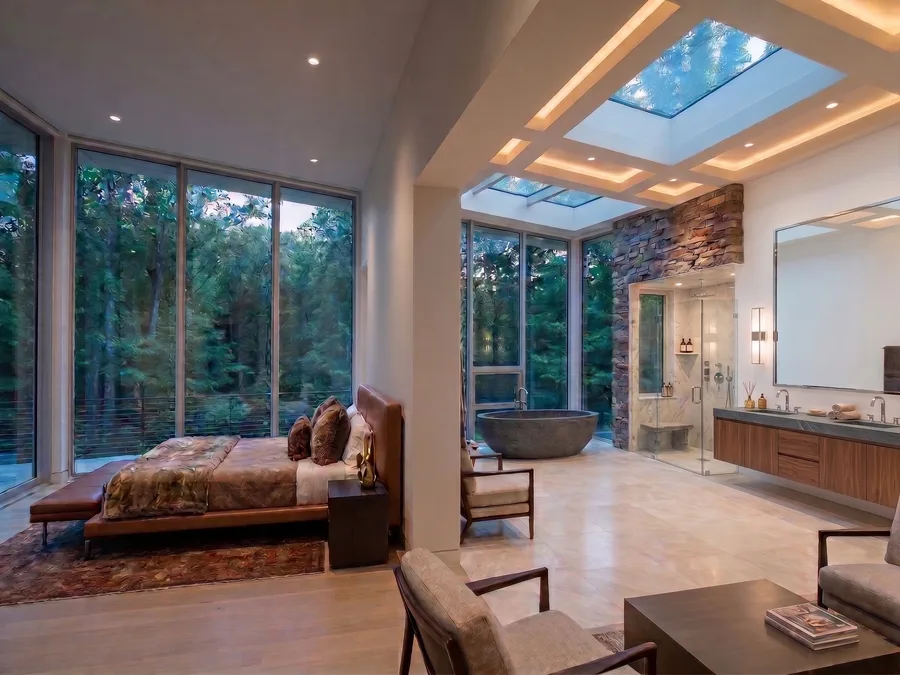
The Great Falls client’s feedback brings the larger point back to everyday experience: a clear process and responsive answers can make the relationship with a builder feel more understandable and collaborative.
For Trophy, that conversation starts with learning what matters to you. If you are considering a custom home in Great Falls, Northern Virginia, or Montgomery County, schedule a private consultation with Trophy Custom Homes to discuss your plans and the building experience you want.
You can also email Sales@trophycustomhomes.com to start the conversation.
Recommended Articles
- What Good Communication Looks Like During a Custom Home Build — explore progress reports, decision records, and site walks.
- Before Construction Begins: Planning a Luxury Custom Home in Northern Virginia — understand the decisions that shape a build before construction starts.
- The Real Reason Custom Home Budgets Drift — Even for High-Income Clients — connect early clarity with better-informed budget decisions.
- What Can Change a Custom Home Construction Schedule—and How to Plan for It — learn what to discuss when timing changes.
- Meet Your Personal Aging in Place Specialist — consider long-term comfort and accessibility in your design conversations.